Tesla is an American electric vehicle and clean energy company based in Palo Alto, California. Founded in 2003 by Martin Eberhard and Marc Tarpenning, Tesla is led by CEO Elon Musk, who joined shortly after. Tesla specializes in electric vehicles, battery energy storage from home to grid scale, solar panels, and solar roof tiles.
The company’s mission is to accelerate the world’s transition to sustainable energy. Tesla’s product lineup includes the Model S, Model 3, Model X, Model Y, Cybertruck, and the Roadster, along with energy products like the Powerwall, Powerpack, and Megapack. The company continues to push the boundaries of technology and innovation, aiming to make renewable energy accessible and sustainable for all.
Tesla Fiscal Q2 2025
Tesla (TSLA) Q2 financials reflected pressure from reduced vehicle demand, lower selling prices, and increased R&D spending on AI and autonomy projects.
Despite modest growth in service-related segments and improvements in energy gross profit, overall revenue and EPS fell short of expectations.
Cash reserves remain robust at $36.8B, though down slightly from last quarter, signaling a cautious but ongoing investment strategy.
Earning Highlights
- Tesla’s Q2 revenue fell 12% year-over-year to $22.5B, and both revenue and EPS missed expectations.
- Operating income declined 42% YoY to $0.9B, with a slim 4.1% margin due to lower sales and higher R&D costs.
- Net income stood at $1.2B GAAP and $1.4B non-GAAP, showing modest profitability.
- Tesla ended the quarter with $36.8B in cash and investments, slightly down by $0.2B.
- The company launched its Robotaxi service in Austin and delivered its first fully autonomous vehicle.
- It started production of a new affordable EV model in June, with larger rollout expected in late 2025.
- Energy business expanded, with Megapack deployments hitting their 12th consecutive quarterly record.
- Tesla reaffirmed its focus on AI, robotics, clean energy, and autonomous tech, continuing to invest heavily despite economic uncertainty.
Board Statements
Tesla marked a pivotal shift from its leadership in electric vehicles and clean energy to pioneering AI, robotics, and autonomous services. The launch of the Robotaxi service in Austin showed its camera-only architecture powered by neural networks, aiming to enhance safety and profitability.
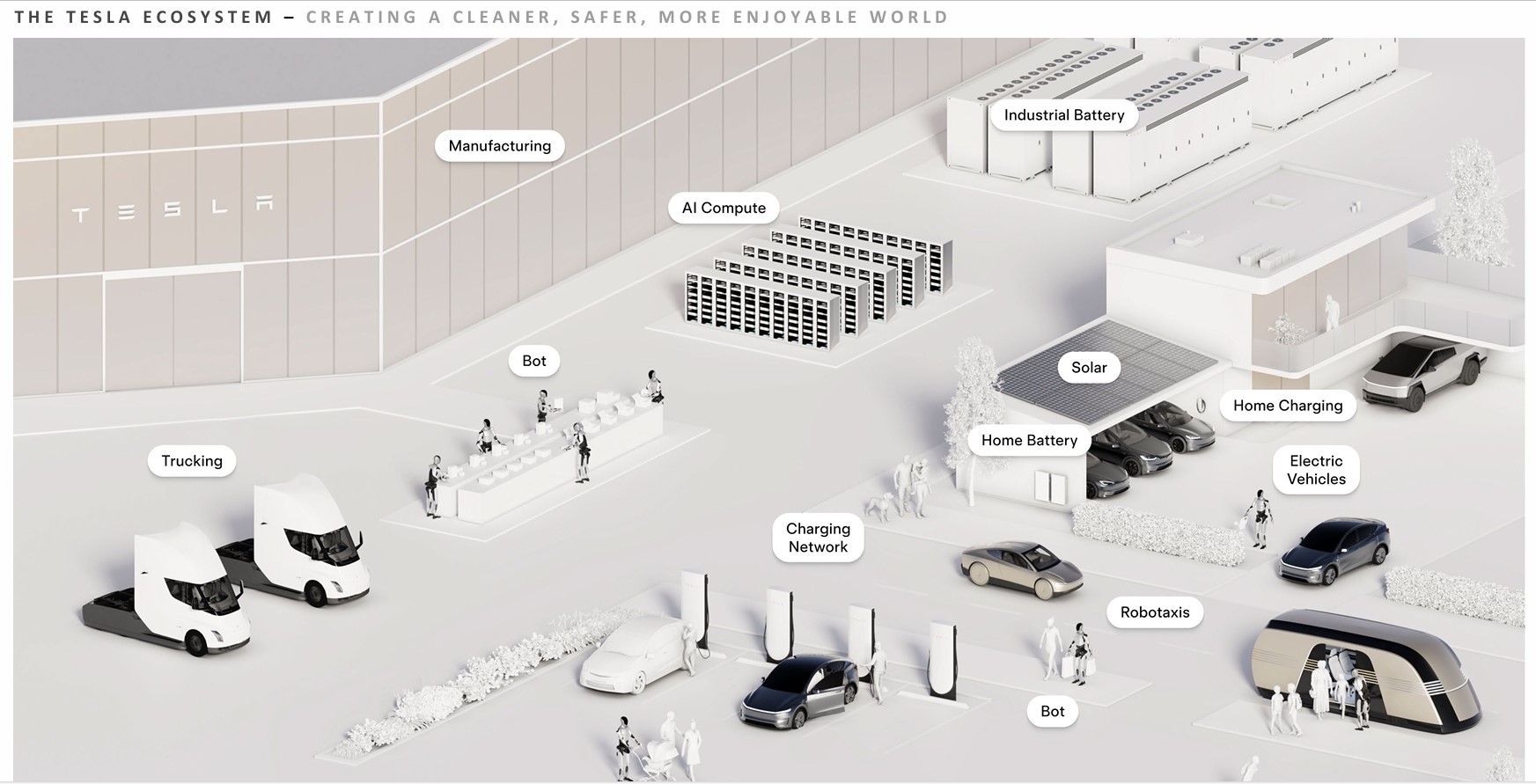
Alongside introducing a new affordable model and developing future vehicles like the Semi and Cybercab, Tesla also scaled its Megapack operations, demonstrating strategic alignment between clean energy and AI-powered products.
Despite global economic uncertainties, Tesla reaffirmed its focus on innovation through continued investments and a solid financial foundation. The company remains committed to delivering autonomy-capable vehicles, expanding its energy solutions, and evolving into a tech-forward powerhouse.
Impact on the Stock Market
Tesla’s stock dropped after its Q2 report didn’t impress investors. Shares fell over 6% in premarket trading as lingering uncertainty around the company’s robo-taxi timeline and scalability.
Elon Musk expressed optimism about scaling the Austin-based service to reach half the U.S. population by year-end, though such projections face regulatory hurdles and competition from Alphabet’s Waymo. Analysts are unsure if Tesla can meet its goals in time or scale up as needed.
The company sold fewer cars in the first half of 2025 (down 13%) and it lost access to some government EV benefits.
Musk warned that Tesla might face a few tough quarters ahead. Still, some say Tesla’s push into AI and autonomy is exciting, while others think challenges like tariffs, slow sales, and delays in new vehicle launches could hold it back.
A new low-cost car has started production, but Tesla hasn’t shown it to the public yet.
Analysts remain cautiously optimistic, with average price targets near $316 and a lower-than-average buy rating ratio compared to S&P 500 peers.