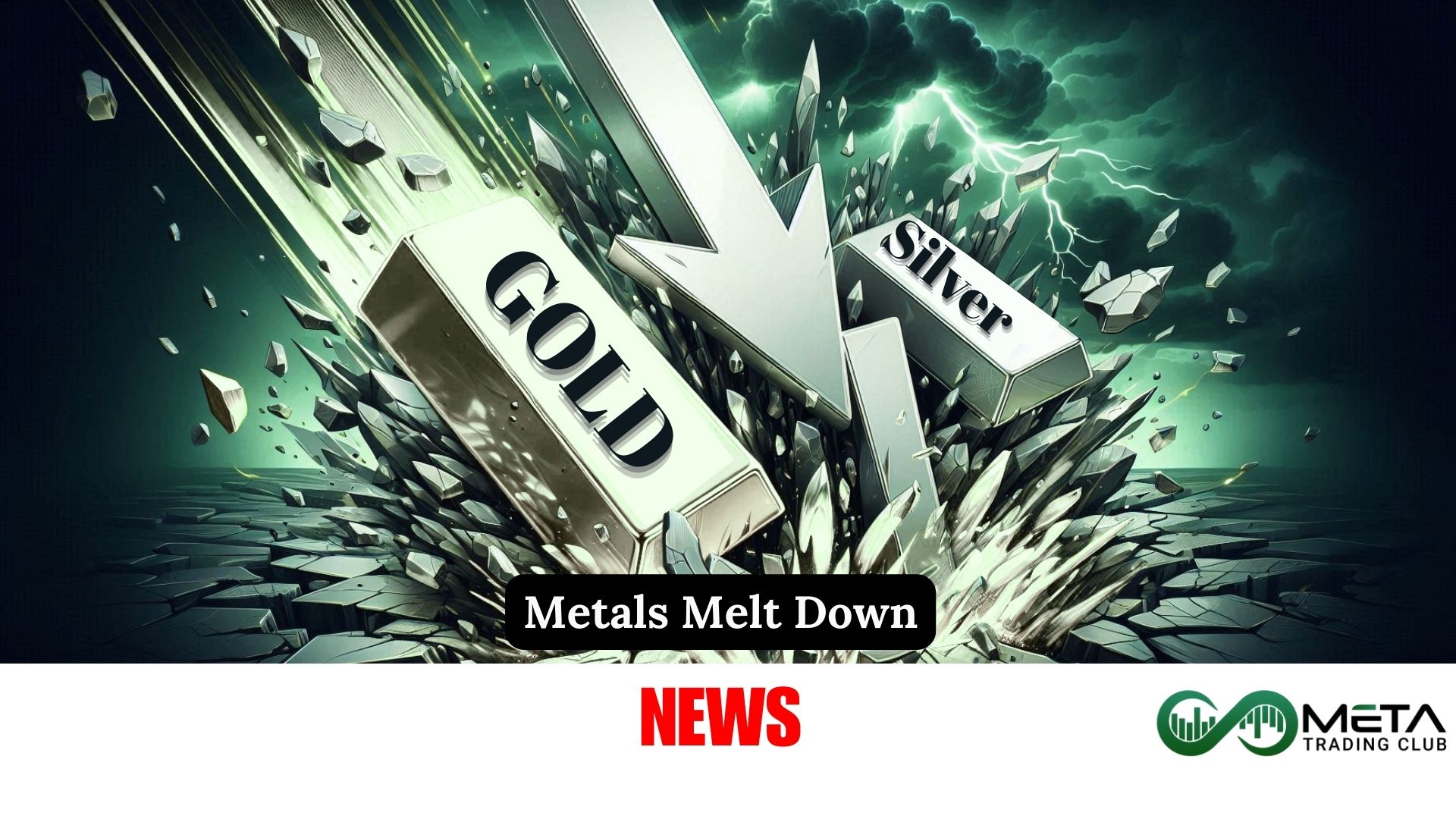
The precious metals market just went through one of its sharpest short‑term drops in years. Between Friday and Monday, silver plunged 40%, and gold fell 20%, leaving investors shocked and scrambling for answers. So what caused such a dramatic move in such a short time? The story comes down to a mix of policy news, inflation worries, and market psychology.
A Hawkish Fed Nominee Shook the Market
The biggest trigger was President Donald Trump’s nomination of Kevin Warsh to lead the Federal Reserve. Warsh is widely seen as someone who prefers higher interest rates to keep inflation under control. That reputation alone was enough to rattle precious‑metals traders.
Why does this matter?
Gold and silver usually fall when investors expect higher interest rates, because metals don’t pay interest. When rates rise, cash and bonds suddenly look more attractive.
Inflation Data Added Fuel
A fresh inflation report came in hotter than expected. That pushed expectations even further toward tighter monetary policy, reinforcing the idea that the Fed might keep rates higher for longer. For metals, that’s a double hit.
Speculative Surge
Gold’s record‑breaking surge in 2025 wasn’t supported by traditional fundamentals. The U.S. economy was strong, and tech stocks were booming.
Instead, speculative flows, record futures activity, and massive ETF inflows from retail traders and hedge funds are the real engine behind gold’s rise.
The 2025 boom was driven more by momentum and market psychology than by economic stress. A bubble is formed, and now we see a shocking precious metal meltdown.
A Stronger Dollar Pressured Metals. As rate expectations rose, the U.S. dollar strengthened. A stronger dollar typically pushes precious metals lower because it makes them more expensive for buyers around the world.