The Federal Reserve, often called the Fed, is the central bank of the United States. It manages the country’s money supply and interest rates to keep inflation in check and support job growth.
By adjusting interest rates, the Fed influences borrowing costs, spending, and investment across the economy. Its decisions can have a big impact on financial markets, businesses, and everyday consumers.
Fed Interest Rates Decision October 29, 2025
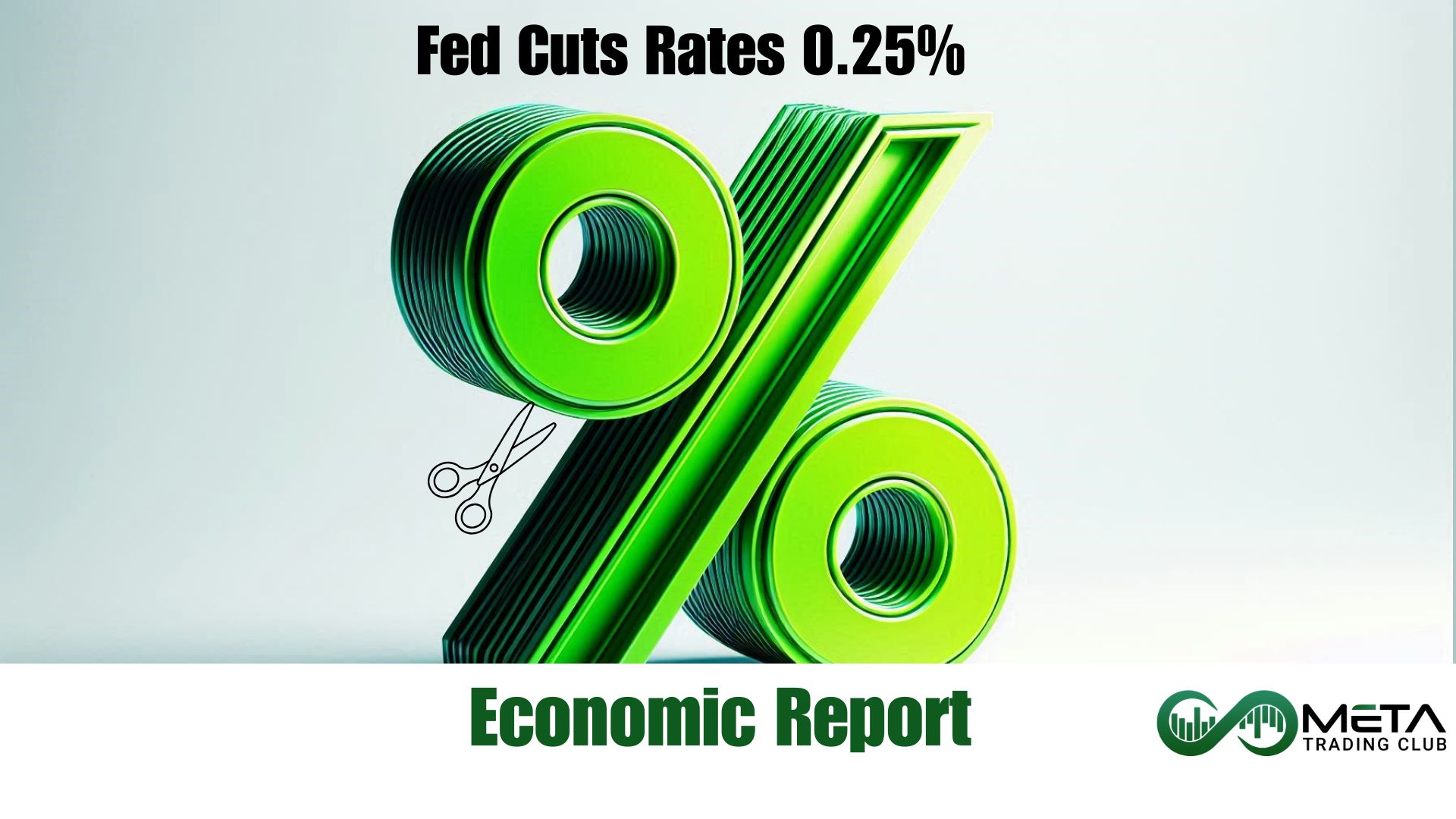
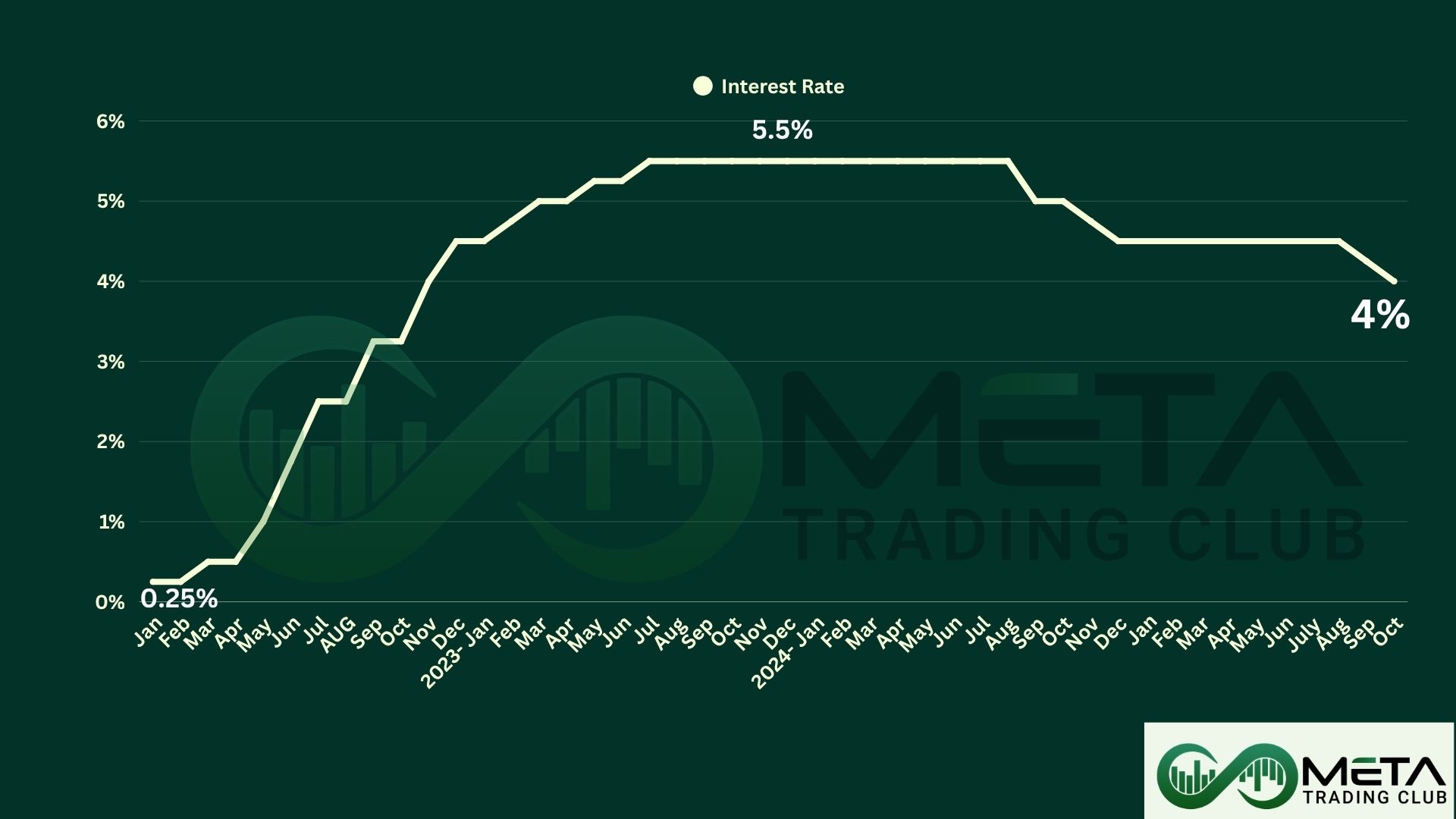
The Federal Reserve has lowered its benchmark interest rate by 25 basis points, bringing the federal funds target range to 3.75%–4.00%. This move, announced at the October 2025 meeting, comes as the central bank navigates a complex economic landscape marked by moderate growth, slowing job gains, and persistent inflation.
What’s Driving the Decision?
Recent data suggests that while the U.S. economy continues to expand, the pace has moderated. Job creation has cooled, and the unemployment rate, though still low, has edged higher. Meanwhile, inflation has ticked up again, remaining above the Fed’s long-term 2% target.
In response, the Fed cited rising downside risks to employment and reaffirmed its commitment to balancing its dual mandate: maximum employment and stable prices.
Policy Shift
Alongside the rate cut, the Fed announced it will end the reduction of its securities holdings on December 1, signaling a shift in its broader monetary policy stance. The Committee emphasized that future rate decisions will depend on incoming data and evolving risks, particularly those that could derail progress toward its goals.
Voices Within the Fed
The decision wasn’t unanimous. Governor Stephen Miran pushed for a deeper 50bps cut, while Governor Jeffrey Schmid preferred to hold rates steady. This divergence highlights the ongoing debate within the Fed about how aggressively to respond to shifting economic conditions.
Markets Reaction
Early market reaction to the Fed’s October rate cut and cautious economic outlook was pulled back as investors reassessed growth risks and policy direction. Despite the dovish tone, uncertainty around inflation and employment weighed on sentiment. Gold prices, which had gained earlier on rate cut expectations, gave up some ground as traders shifted focus to broader market volatility and upcoming data.
Another reason for the market pullback was that the Fed’s 0.25% rate cut had already been priced in. Investors had anticipated the move, driving gains ahead of the meeting.
However, investors now see a strong chance of another rate cut in December, as the Fed signals flexibility. This renewed expectation could help restore market sentiment, especially if upcoming economic indicators support further easing. Optimism may return to equities and rate-sensitive assets as traders position for a more accommodative policy path.