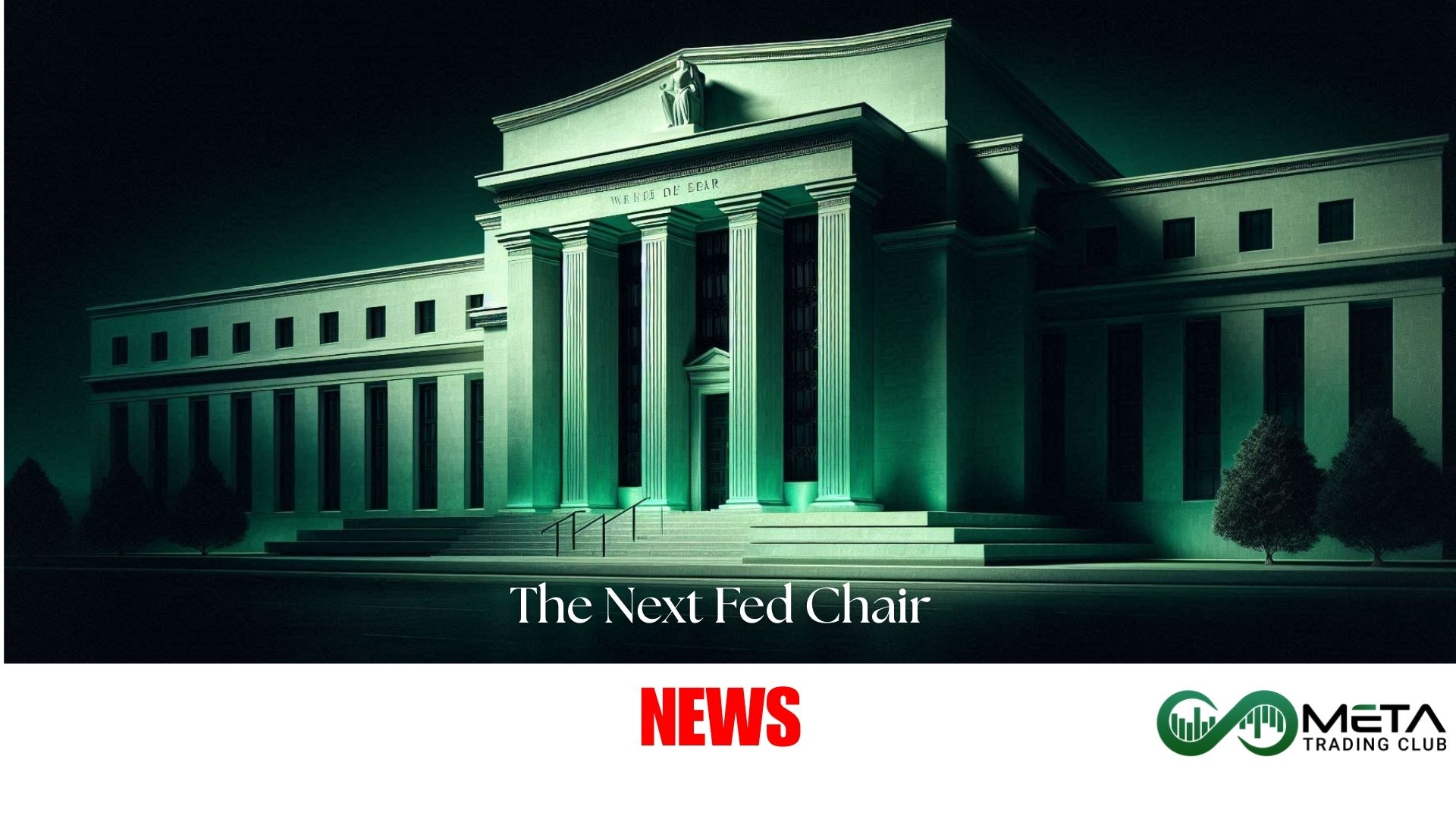
President Donald Trump has formally named Kevin Warsh as his pick to succeed Jerome Powell as Chair of the Federal Reserve. The announcement was made on January 30, 2026, ending a long search for Powell’s replacement.
Background
Warsh is a former Federal Reserve Governor (2006–2011), appointed under Presidents George W. Bush and Barack Obama. He became the youngest Fed governor in history at age 35.
His academic path runs through Stanford University and Harvard Law School, supplemented by coursework at Harvard Business School and MIT Sloan, giving him a hybrid background in law, economics, and finance.
Before entering public service, Warsh worked in mergers and acquisitions at Morgan Stanley, where he developed deep relationships across Wall Street. This combination of elite education, legal training, and market‑facing experience shaped his reputation as a governor who understood financial markets from the inside rather than purely from an academic perspective.
Inflation Hawk
During the 2008–2009 financial crisis, Warsh distinguished himself by repeatedly warning about inflation risks at a time when most policymakers were focused on collapsing demand, deflationary pressure, and mass layoffs. He repeatedly warned colleagues about “upside risks to inflation” during 2008–2009 FOMC meetings.
Wall Street and policy analysts widely view him as an inflation hawk, favoring higher interest rates to contain prices.
This stance has become a defining part of his public identity: someone who prioritizes price stability and is skeptical of prolonged low‑rate environments, even during severe downturns.
Relationship to Wall Street
Warsh’s influence during the financial crisis went far beyond internal Fed discussions. He acted as the Fed’s main link to Wall Street, connecting the central bank with major financial firms during the most chaotic months of 2008.
Warsh played a major role in crisis‑management talks, bank mergers, and emergency actions. He also represented the Fed at the G20, giving him an international profile. His close ties to financial markets have earned him strong credibility with investors, though some critics say he is too aligned with Wall Street’s perspective. Still, his deep understanding of markets is widely seen as one of his biggest strengths.
Views in Recent Years
In the years since leaving the Fed, Warsh has become a prominent commentator on monetary policy. He has criticized the modern Fed for relying too heavily on backward‑looking data and for being slow to adjust policy in real time.
He has argued that the central bank should be more forward‑leaning and more willing to act decisively when conditions shift.
Interestingly, some of his recent public statements have sounded more dovish than his crisis‑era comments. This has created uncertainty about whether his views have evolved or whether he would revert to his more traditional hawkish instincts if placed in the chair.
Market Reaction
Analysts across major financial institutions describe Warsh as highly qualified, experienced, and likely to restore a more traditional monetary policy. His crisis experience and market credibility are seen as major assets. However, his historical hawkishness may clash with President Trump’s desire for aggressive rate cuts.
Markets reacted quickly to news of Warsh’s nomination. Gold and silver prices fell, the dollar strengthened, and traders priced in a more hawkish Fed trajectory.
This reaction reflects expectations that Warsh would favor tighter policy or at least resist aggressive rate cuts.
Wall Street’s major indexes ended lower on Friday as investors saw President Donald Trump’s nomination of former Fed Governor Kevin Warsh as a hawkish choice to replace Jerome Powell. Markets were also reacting to new earnings reports and a stronger‑than‑expected inflation reading.