An inflation report is published by the government, typically by the central bank, and provides detailed information on current inflation rates. It includes data on price changes for various expenditure categories like housing, food, and transportation, and identifies factors driving inflation.
A Consumer Price Index (CPI) report measures the average change in prices paid by urban consumers for a market basket of goods and services, providing a key indicator of inflation. Published monthly by national statistical agencies, it includes data on categories like food, housing, and transportation. The CPI report helps policymakers, economists, and investors understand economic trends and make informed decisions.
Inflation November 2025
The U.S. Bureau of Labor Statistics (BLS) released its November 2025 Consumer Price Index (CPI) report on December 18, offering a detailed look at how prices moved over the past two months, despite disruptions caused by the federal government shutdown in October.
Headline Inflation
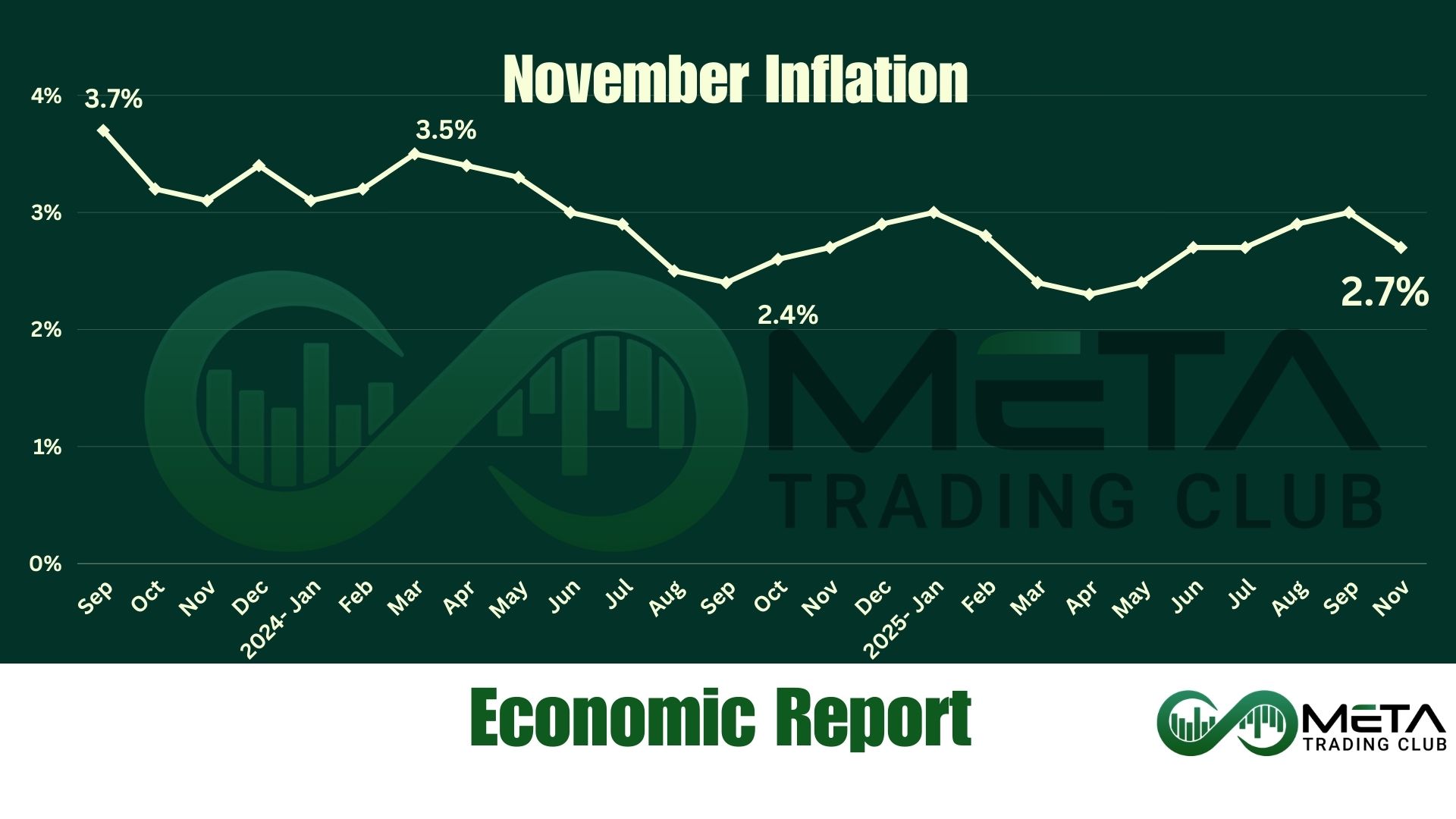
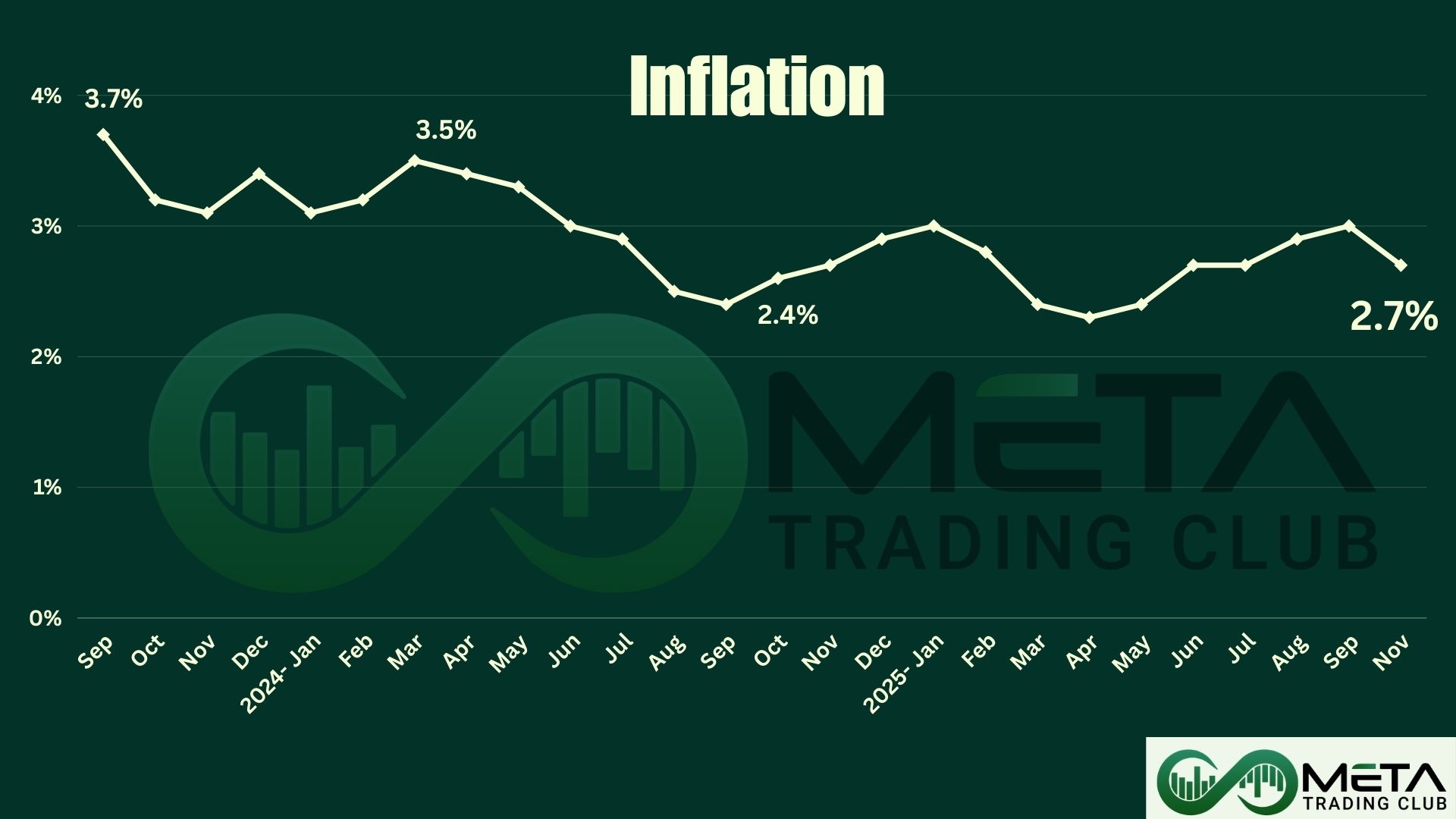
Over the 12 months ending in November 2025, the CPI for All Urban Consumers (CPI‑U) rose 2.7%, easing from the 3.0% annual rate reported in September. Because BLS could not collect data during the October shutdown, the November report reflects a two‑month change from September to November.
On a seasonally adjusted basis, the CPI‑U increased 0.2% over those two months.
Impact of the Federal Government Shutdown
The 43‑day lapse in appropriations prevented the BLS from collecting the October 2025 CPI survey data.
Key points:
- October survey data could not be retroactively collected.
- Some non-survey data sources were recovered and used where possible.
- CPI data collection resumed on November 14, 2025.
- October and November monthly values are marked as unavailable in the tables.
Key Drivers of September Inflation
Foods
Food inflation rose 2.6% over the past year, with most of the increase driven by higher prices for both groceries and dining out. Food at home was up 1.9%, led by strong gains in meats, poultry, fish, and eggs (+4.7%) and nonalcoholic beverages (+4.3%). Other grocery categories saw smaller increases, including cereals and bakery products (+1.9%) and fruits and vegetables (+0.1%), while dairy prices declined (–1.6%).
Food away from home increased 3.7% over the year, with full‑service meals rising 4.3% and limited‑service meals up 3.0%, reflecting continued cost pressures in the restaurant sector.
Energy
Energy inflation picked up over the past year, with overall energy prices rising 4.2%. The increase was driven by sharp gains in fuel oil (+11.3%) and natural gas (+9.1%), while electricity costs rose 6.9%. Gasoline saw a more modest rise of 0.9%, but still contributed to the broader upward pressure in the energy category.
Core Inflation
Excluding food and energy, core CPI rose 2.6% year‑over‑year. Over the September–November period, the core index increased 0.2%, with shelter, household furnishings, communication, and personal care contributing to the rise.
Core goods and services, which exclude food and energy, increased 2.6% year‑over‑year. Shelter costs were up 3.0%, and medical care services rose 3.3%, while medical care commodities posted a smaller gain of 1.1%. Household furnishings and operations saw one of the strongest increases at 4.6%, and recreation prices rose 1.8%. In the vehicle market, used cars and trucks climbed 3.6%, compared with a modest 0.6% rise in new vehicles. Apparel prices edged up 0.2%, reflecting relatively mild inflation in that category.
Impacts of November CPI Data on the Market
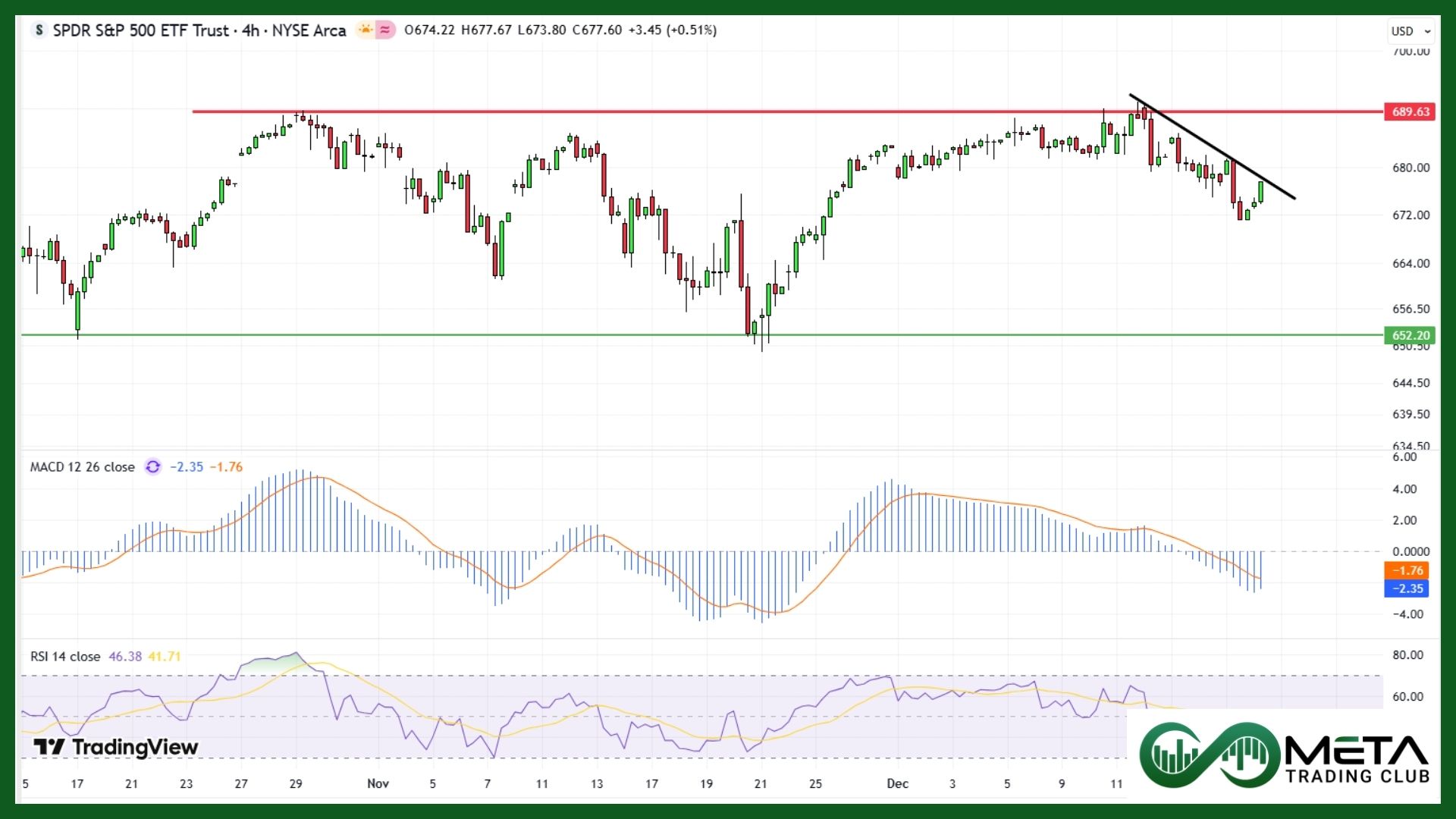
The November CPI report had an immediate and positive impact on financial markets, largely because the data came in softer than expected.
With headline inflation at 2.7% and core inflation at 2.6%, investors interpreted the numbers as a sign that price pressures are easing more quickly than anticipated. That shift boosted confidence that the Federal Reserve could move ahead with additional interest‑rate cuts in early 2026.
As a result, U.S. stock futures climbed, with gains across major indexes. Rate‑sensitive sectors, such as small‑cap stocks and high‑growth tech names, saw some of the strongest moves. The softer inflation backdrop also helped lift sentiment around corporate earnings, adding momentum to the broader market rebound.