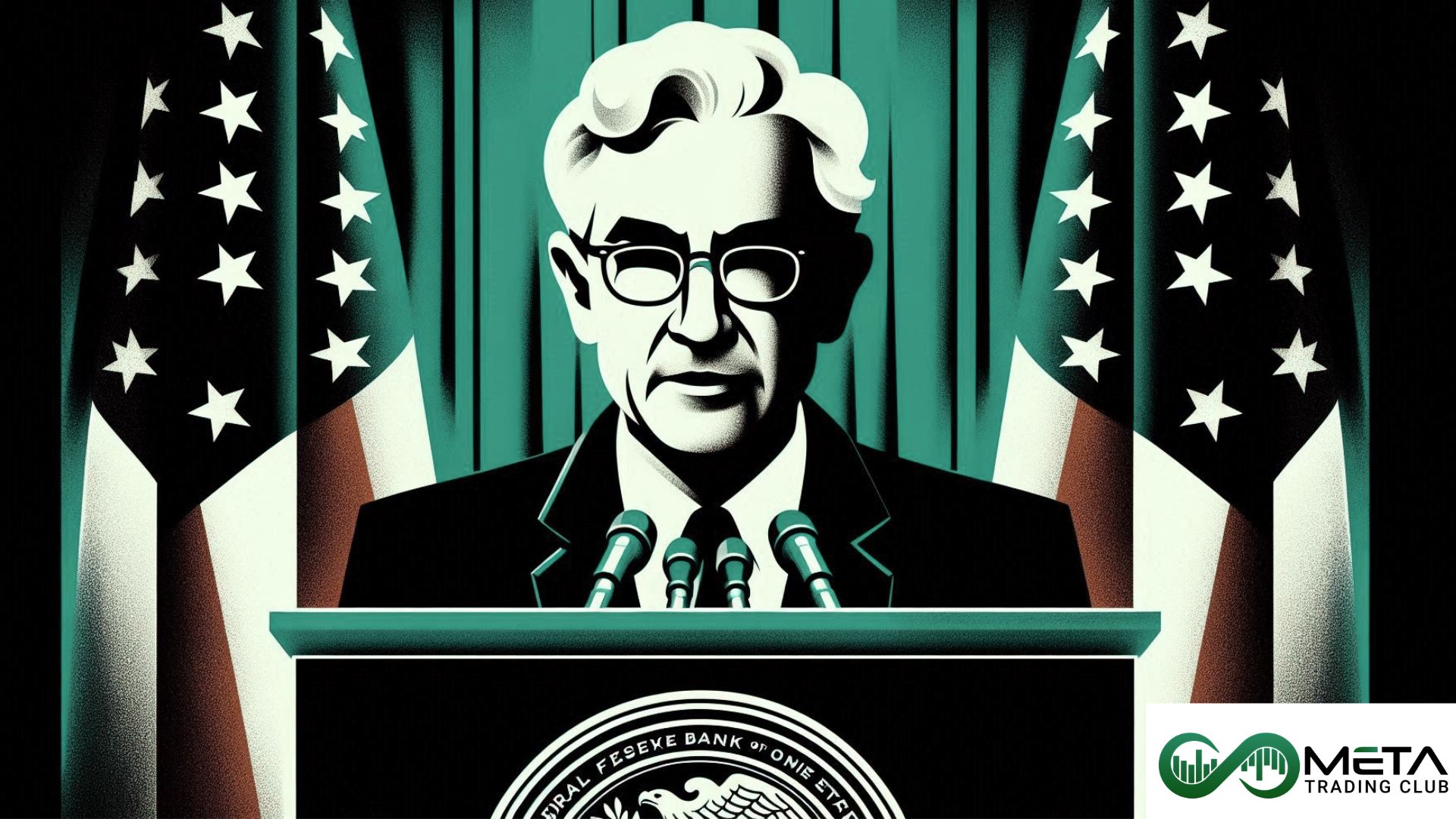
Federal Reserve Chair Jerome Powell addressed reporters following the central bank’s September meeting after 0.25% rate cut. Powell offered a nuanced view of the U.S. economy and the Fed’s policy stance. His remarks highlighted a cooling labor market, persistent inflation pressures, and the Fed’s commitment to data-driven decision-making amid political scrutiny.
Labor Market
Powell acknowledged that demand for labor has weakened. The unemployment rate edged up to 4.3% in August, but he emphasized that it remains relatively low and stable over the past year. However, job creation has slowed to a pace below what’s needed to keep unemployment steady.
New data suggests a significant downside risk to the labor market, a concern that is now widely recognized. Powell emphasized that this is not a weak economy, but navigating policy decisions remains challenging. The breakeven rate for job growth has clearly declined, and the rapid drop in both labor supply and demand has drawn attention.
He attributed much of the labor market’s deceleration to a shrinking workforce, citing reduced immigration and lower participation rates. “The slowdown in both labor supply and demand is unusual,” Powell noted, suggesting structural shifts may be at play. This shift in labor dynamics, Powell explained, is contributing to slower job growth and complicating the Fed’s efforts to balance inflation and employment
Inflation
Turning to inflation, Powell confirmed that price pressures have increased in recent months, even as consumer spending has lost momentum. GDP growth moderated to around 1.5% in the first half of 2025, down from 2.5% last year, largely due to weaker household consumption.
While inflation remains above the Fed’s 2% target, Powell said the risk of runaway inflation has diminished slightly since April. “The more severe inflation scenarios have faded somewhat,” he said, attributing this to the softer labor market and slower GDP growth.
Tariffs
Powell addressed the impact of tariffs introduced earlier this year, noting that they have contributed to rising goods prices. However, he suggested the inflationary effect may be temporary. “It increasingly looks like a one-time price increase rather than the start of an inflationary spiral,” he said.
Still, Powell cautioned that the broader economic impact of tariffs remains uncertain. “Policy changes are evolving, and their effects on the economy are still unfolding,” he said, adding that the Fed is closely monitoring whether these price shocks could become more persistent.
Rates Cut
Regarding the Fed’s balance sheet, Powell stated that reductions are being made cautiously and in small steps. The system still operates with ample reserves, though the Fed is approaching a more neutral level and is monitoring conditions closely.
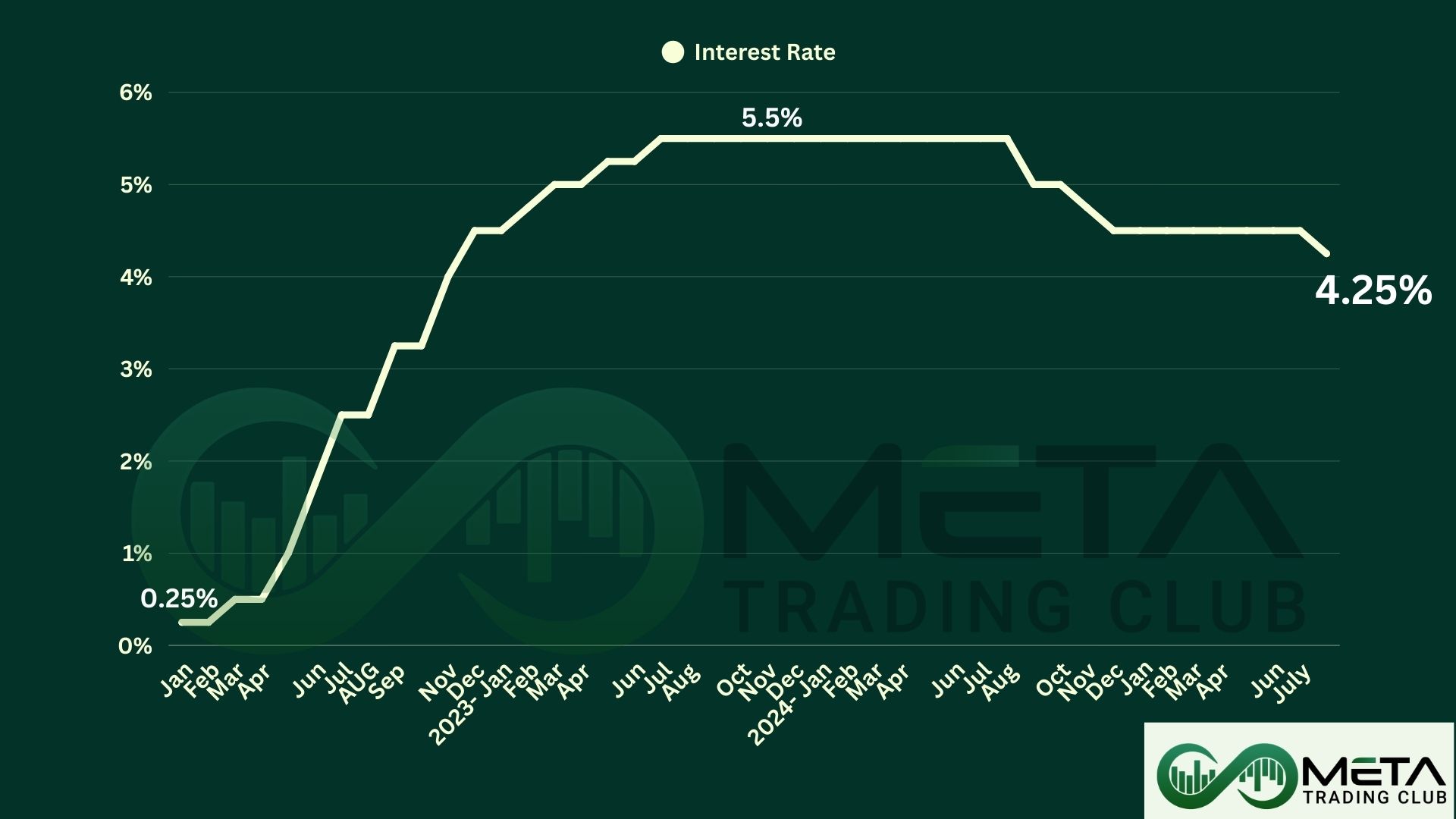
Responding to speculation about a more aggressive rate move, Powell confirmed that there was little support within the committee for a 50-basis-point cut. “We’ve made large moves in the past when policy was clearly misaligned,” he said.
The Fed opted for a more measured 25-basis-point reduction, reflecting its cautious approach amid mixed economic signals.
Default rates have been rising, and the Fed is keeping a close watch on this trend. However, households remain in relatively strong financial shape. Powell concluded by noting that long-term inflation expectations remain well-anchored, except for one outlier in the University of Michigan survey.
Fed Independence
Powell also addressed concerns about political influence, particularly following the appointment of Stephen Miran to the Fed board. He reaffirmed the Fed’s independence and its dedication to its dual mandate of stable prices and maximum employment.
“We welcomed a new member today, as we always do,” Powell said. “The committee remains united in its goals, and we’re strongly committed to maintaining our independence.”
He stressed that the Fed’s decisions are based solely on economic data. “We don’t frame questions in political terms. That’s not how we operate,” Powell said. “We’re taking a longer-term view and doing our work exactly as we always have.”