The Federal Open Market Committee (FOMC) is a branch of the Federal Reserve System responsible for overseeing the nation’s open market operations. This includes making key decisions about interest rates and the growth of the United States money supply. The FOMC meets several times a year to discuss and set monetary policy, aiming to achieve maximum employment, stable prices, and moderate long-term interest rates.
FOMC Meeting on July 30, 2025
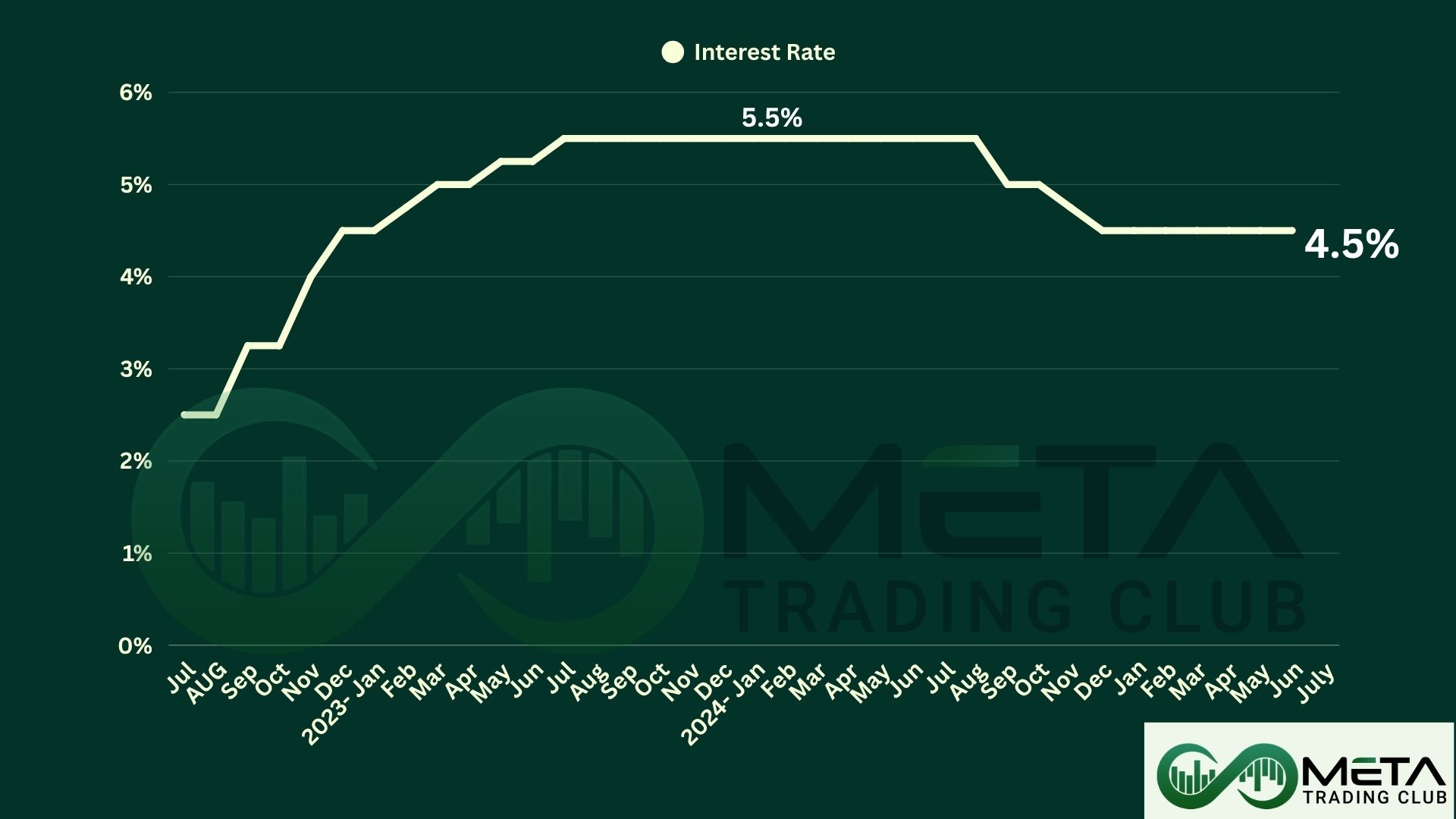
The FOMC decided to hold interest rates steady at 4.25–4.5%, citing a slowdown in economic growth during the first half of 2025. While swings in net exports have created some data volatility, the overall pace of activity has moderated.
Despite this, the labor market remains strong, with low unemployment and solid job conditions. Inflation, however, continues to run above the Fed’s 2% target.
The Committee reaffirmed its commitment to its dual mandate: achieving maximum employment and stable inflation. Given ongoing economic uncertainty, the Fed emphasized its vigilance in monitoring risks on both fronts. In line with this stance, it will continue reducing its balance sheet by trimming holdings of Treasury securities and agency debt.
Future policy adjustments will depend on incoming data, changes in the economic outlook, and overall risk assessments. The Fed stands ready to respond if new challenges threaten its goals.
The majority of the Committee supported maintaining rates, though two members—Michelle Bowman and Christopher Waller—voted to lower them by 0.25 percentage points. One member, Adriana Kugler, was absent.
Impact of FOMC Decision on Markets
The Fed held rates unchanged today, as expected, and refrained from signaling any future moves due to uncertainty over how tariffs might contribute to persistently high inflation.
Equities remained steady, with investors having already priced in a pause. However, attention is shifting to September, when a potential rate cut could introduce market volatility.